Halloween Edition
Greetings. How's it going? This week it's going to be Halloween. Do you celebrate Halloween in your country? Where I come from, South Africa, we don't celebrate it but it is a holiday from ancient times. People really used to believe the barrier between the spirit world and the human world became thin enough for spirits to cross over. What a scary time it must have been hey? But now it's all about cute costumes and candy, candy, candy :)
Here is this week's edition:
Culture
Trick or treat
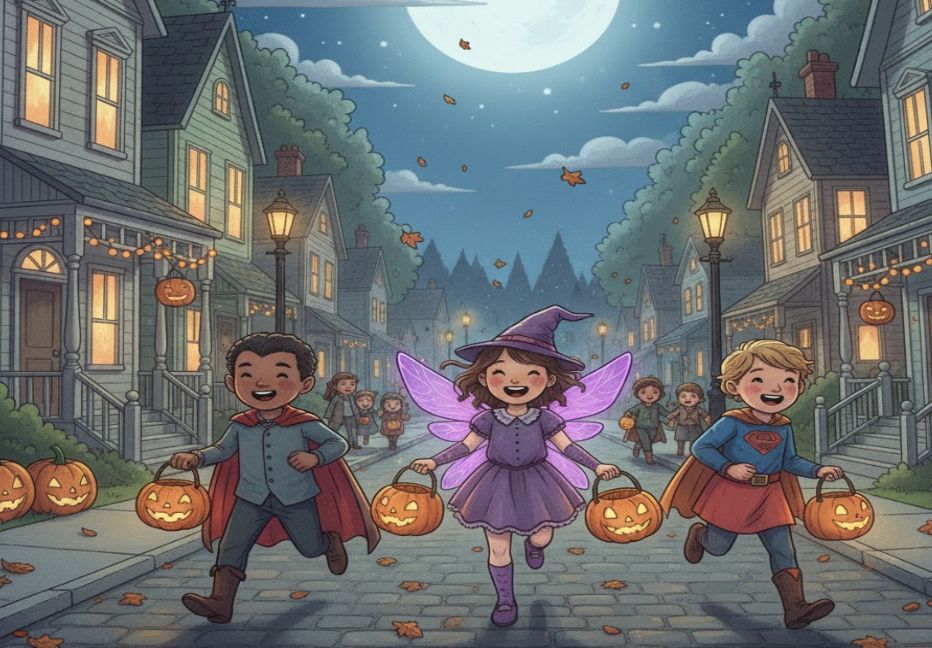
Trick-or-treating is a fun Halloween game!
Children wear costumes like heroes or monsters.
They go to many houses at night.
They knock on the door and say, "Trick or Treat!"
The people give them sweet candy.
It is a happy time to smile with friends and share candy.
한국어 번역 보기
- Trick-or-treating is a fun Halloween game! 할로윈 때 하는 트릭 오어 트릿은 정말 재미있는 게임이에요!
- Children wear costumes like heroes or monsters. 아이들은 영웅이나 괴물 같은 의상을 입어요.
- They go to many houses at night. 밤에 많은 집들을 돌아다녀요.
- They knock on the door and say, "Trick or Treat!" 문을 두드리고 '트릭 오어 트릿!'이라고 말해요.
- The people give them sweet candy. 사람들이 아이들에게 맛있는 사탕을 줘요.
- It is a happy time to smile with friends and share candy. 친구들과 함께 웃으면서 사탕을 나누는 행복한 시간이에요.
| costume | 의상 |
|---|---|
| share | 나누다 |
| hero | 영웅 |
| smile | 웃다 |
| knock | 노크하다 |
| sweet | 달콤한 |
| monster | 괴물 |
| tradition | 전통 |
Culture
Monsters
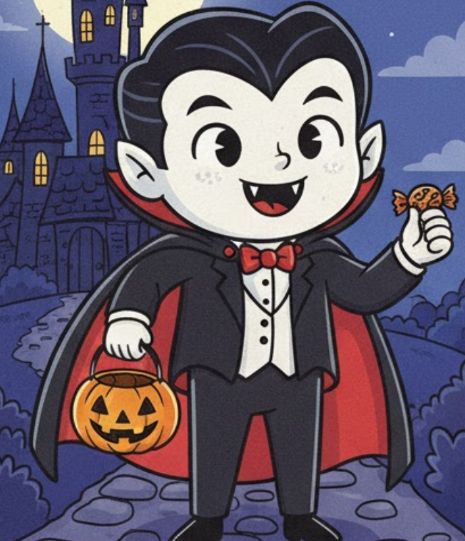
Halloween is a special time for spooky fun!
There are many kinds of monsters.
Ghosts are spirits of dead people.
They are often white and float easily in the air.
They make mysterious sounds.
Witches are women who wear black pointed hats and can fly on broomsticks.
We also have powerful vampires.
They come out at night to drink blood.
Next we have ancient mummies, which are old, wrapped bodies from Egypt.
People often wear creative costumes of these monsters and tell thrilling, scary stories to their friends.
It is a very exciting night for everyone to be spooky!
한국어 번역 보기
- Halloween is a special time for spooky fun! 할로윈은 무섭고 재미있는 특별한 시간이에요!
- There are many kinds of monsters. 여러 종류의 괴물들이 있어요.
- Ghosts are spirits of dead people. 유령은 죽은 사람들의 영혼이에요.
- They are often white and float easily in the air. 유령은 보통 하얀색이고 공중에서 쉽게 떠다녀요.
- They make mysterious sounds. 유령은 신비한 소리를 내요.
- Witches are women who wear black pointed hats and can fly on broomsticks. 마녀는 검은색 뾰족한 모자를 쓰고 빗자루를 타고 날 수 있는 여자예요.
- We also have powerful vampires. 또 강력한 뱀파이어도 있어요.
- They come out at night to drink blood. 뱀파이어는 밤에 나와서 피를 마셔요.
- Next we have ancient mummies, which are old, wrapped bodies from Egypt. 다음으로는 이집트에서 온 천으로 감싼 오래된 시신인 미라가 있어요.
- People often wear creative costumes of these monsters and tell thrilling, scary stories to their friends. 사람들은 종종 이런 괴물의 창의적인 의상을 입고 친구들에게 스릴 있고 무서운 이야기를 해줘요.
- It is a very exciting night for everyone to be spooky! 모두가 무섭게 놀기에 정말 신나는 밤이에요!
| ancient | 고대의 |
|---|---|
| float | 떠다니다 |
| broomstick | 빗자루 |
| mummy | 미라 |
| character | 등장인물 |
| spirit | 영혼 |
| costume | 의상 |
| vampire | 흡혈귀 |
Culture
Halloween
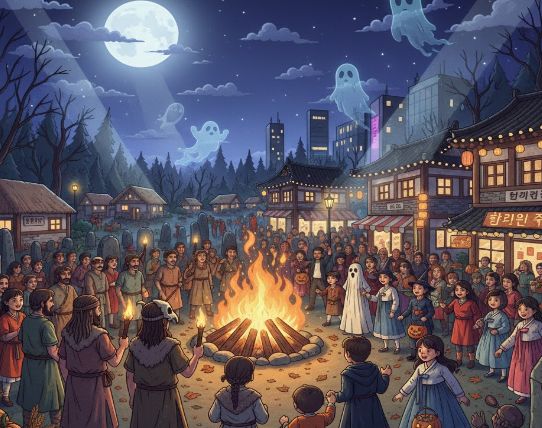
Halloween started over 2,000 years ago with the ancient Celtic festival of Samhain (pronounced “sow-in”).
The Celts lived mainly in the region now known as Ireland.
They held this important festival to mark an important change.
It was the end of the warm summer, the end of their harvest, and the beginning of the cold, dark winter.
The Celts believed that on the night of Samhain, the boundary between the living and the dead became blurred.
This meant that ghosts and bad spirits could easily return to the mortal world.
To keep them away, people lit large bonfires and wore simple, often frightening, costumes that looked like scary animals and monsters.
The modern name "Halloween" is a short form of All Hallows' Eve.
“Eve” means evening and Halloween is celebrated in the evening.
한국어 번역 보기
- Halloween started over 2,000 years ago with the ancient Celtic festival of Samhain (pronounced “sow-in”). 할로윈은 2,000년 이상 전에 고대 켈트족의 사마인 축제에서 시작했어요.
- The Celts lived mainly in the region now known as Ireland. 켈트족은 주로 지금의 아일랜드로 알려진 지역에 살았어요.
- They held this important festival to mark an important change. 그들은 중요한 변화를 나타내기 위해 이 중요한 축제를 열었어요.
- It was the end of the warm summer, the end of their harvest, and the beginning of the cold, dark winter. 따뜻한 여름이 끝나고, 추수가 끝나며, 춥고 어두운 겨울이 시작되는 시간이었어요.
- The Celts believed that on the night of Samhain, the boundary between the living and the dead became blurred. 켈트족은 사마인 밤에 살아있는 사람들의 세상과 죽은 사람들의 세상 사이의 경계가 흐릿해진다고 믿었어요.
- This meant that ghosts and bad spirits could easily return to the mortal world. 이것은 유령과 나쁜 영혼들이 쉽게 현실의 세상으로 돌아올 수 있다는 뜻이었어요.
- To keep them away, people lit large bonfires and wore simple, often frightening, costumes that looked like scary animals and monsters. 그들을 멀리하기 위해 사람들은 큰 모닥불을 피우고 무섭고 간단한 의상을 입었는데, 그것은 무서운 동물이나 괴물처럼 보였어요.
- The modern name "Halloween" is a short form of All Hallows' Eve. 현대의 "할로윈"이라는 이름은 "올 할로우즈 이브"의 짧은 형태예요.
- “Eve” means evening and Halloween is celebrated in the evening. "이브"는 저녁을 뜻하고 할로윈은 저녁에 축하해요.
| ancient | 고대의 |
|---|---|
| festival | 축제 |
| bonfire | 모닥불 |
| hold | 개최하다 |
| Celtic | 켈트족의 |
| holy | 신성한 |
| costume | 의상 |
| scare | 겁주다 |
| eve | 전야 |
| spirit | 영혼 |
Culture
Jack-o'-Lantern
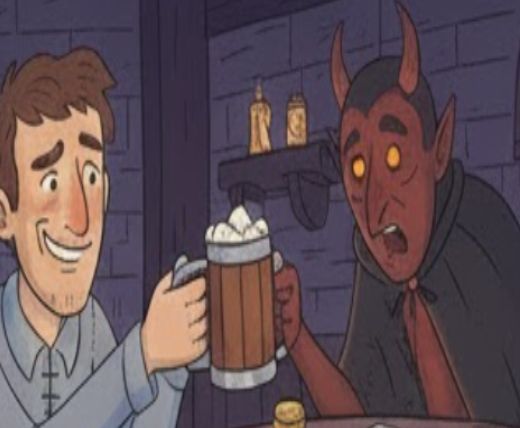
The Jack-o'-Lantern tradition has its origins in Irish folklore about a shrewd but wicked man named Stingy Jack.
Jack famously tricked the Devil on multiple occasions, securing promises that his soul would never be claimed by Hell.
However, because of his deceitful and sinful life, Jack was firmly refused entry into Heaven when he died.
Bound by his promise, the Devil likewise denied Jack access to Hell, upset that the trickster had outsmarted him.
Instead, the Devil mockingly gave him only a burning ember from Hell's fires to light his perpetual journey.
Jack quickly placed this single coal inside a carved turnip he was carrying, creating a makeshift lantern.
He was thus doomed to wander the dark Earth endlessly, becoming known as "Jack of the Lantern," which was ultimately shortened to "Jack-o'-Lantern."
Early Irish people carved scary faces into vegetables like turnips to ward off his lost spirit from their homes.
한국어 번역 보기
- The Jack-o'-Lantern tradition has its origins in Irish folklore about a shrewd but wicked man named Stingy Jack. 잭-오-랜턴 전통은 영리하지만 사악한 '구두쇠 잭'이라는 남자에 대한 아일랜드 민간 이야기에서 시작되었어요.
- Jack famously tricked the Devil on multiple occasions, securing promises that his soul would never be claimed by Hell. 잭은 여러 번 악마를 속여서 자신의 영혼을 지옥으로 데려가지 않겠다는 약속을 받았어요.
- However, because of his deceitful and sinful life, Jack was firmly refused entry into Heaven when he died. 하지만 그의 속임수 많고 죄 많은 삶 때문에 잭은 죽었을 때 천국에 들어가는 것을 단호히 거절당했어요.
- Bound by his promise, the Devil likewise denied Jack access to Hell, upset that the trickster had outsmarted him. 악마는 자기 약속에 얽혀 있었고, 속임수쟁이에게 져서 화가 났기 때문에 잭에게 지옥 입장을 마찬가지로 거부했어요.
- Instead, the Devil mockingly gave him only a burning ember from Hell's fires to light his perpetual journey. 대신 악마는 조롱조로 지옥의 불길에서 나온 타는 석탄 조각 하나만 그의 끝없는 여행을 밝히라고 주었어요.
- Jack quickly placed this single coal inside a carved turnip he was carrying, creating a makeshift lantern. 잭은 재빨리 이 석탄 하나를 들고 있던 속을 파낸 순무 안에 넣어서 임시방편의 랜턴을 만들었어요.
- He was thus doomed to wander the dark Earth endlessly, becoming known as "Jack of the Lantern," which was ultimately shortened to "Jack-o'-Lantern." 그래서 잭은 어두운 지구를 끝없이 헤매도록 저주받았고, '랜턴의 잭'으로 알려지게 되었고, 결국 '잭-오-랜턴'으로 줄여졌어요.
- Early Irish people carved scary faces into vegetables like turnips to ward off his lost spirit from their homes. 옛 아일랜드 사람들은 정처 없이 떠도는 잭의 영혼이 집에 다가오지 못하도록 순무 같은 채소에 무서운 얼굴을 새겼어요.
| deny | 거부하다 |
|---|---|
| origins | 기원 |
| deceitful | 기만적인 |
| perpetual | 영구적인 |
| doomed | ~할 운명인 |
| refuse | 거절하다 |
| ember | 잉걸불 |
| shrewd | 약삭빠른 |
| makeshift | 임시변통의 |
| ward (off) | 쫓아내다 |