Family Edition
Right! Another 2 weeks have flown by and I've prepared another massive edition of ENK. There were a ton of mistakes last week and I hope I've avoided most of them this week. It's tough doing all this by myself. I continue to believe in the potential of my students. I've been teaching English here for almost 20 years and one thing that hasn't changed is that I think a lot of students don't do well because they're just not given the chance to. I hope this can at least provide them with something, even if it isn't much. I'm also pretty sure that these "worksheets" of mine are only going to be used by whoever my current students are when I'm there to give them time to practice and ensure they do. Hopefully in the future I can make them so incredibly awesome that everyone will get on board with my vision and start using them themselves. But the chances of that... heh :)
This week I'm talking about family. May is Family Month in Korea. There's Children's Day, Parent's Day, Teachers' Day and a few more. Children's Day is actually a public holiday here which is fantastic. They also have a combined Parents' Day as opposed to the separate Mothers' Day and Fathers' Day that I'm used to. Hope you all have a good week!
Here is this week's edition:
Social Studies
My Family
한국어 번역 보기
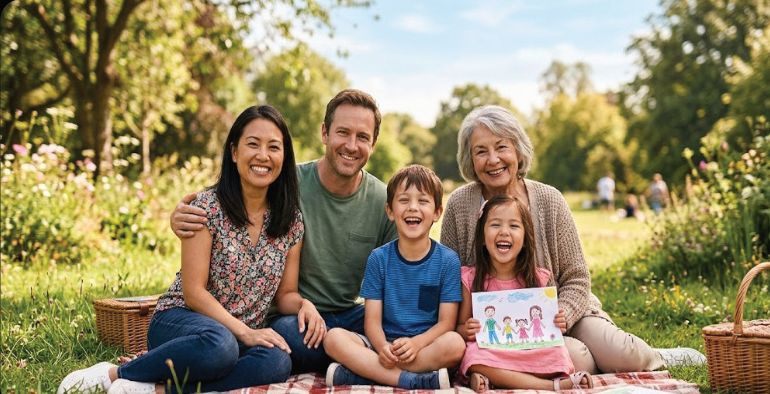
- This is my family. 이 사람들이 우리 가족이에요.
- I have a father. 저는 아버지가 있어요.
- I have a mother. 저는 어머니가 있어요.
- I have a brother. 저는 형이 있어요.
- I have a sister. 저는 누나가 있어요.
- I have a grandfather. 저는 할아버지가 있어요.
- I have a grandmother. 저는 할머니가 있어요.
- I have a dog. 저는 개가 있어요.
- I have a cat. 저는 고양이가 있어요.
- My family is big. 우리 가족은 식구가 많아요.
- We are happy. 우리는 행복해요.
- My father is good. 우리 아버지는 좋은 분이에요.
- I love my family. 저는 제 가족을 사랑해요.
| brother | 남자 형제 |
|---|---|
| grandmother | 할머니 |
| family | 가족 |
| happy | 행복한 |
| father | 아버지 |
| mother | 어머니 |
| grandfather | 할아버지 |
| sister | 여자 형제 |
Social Studies
Family Routines
한국어 번역 보기
- My family is busy every day. 저희 가족은 매일 바빠요.
- We get up at seven o'clock. 저희는 일곱 시에 일어나요.
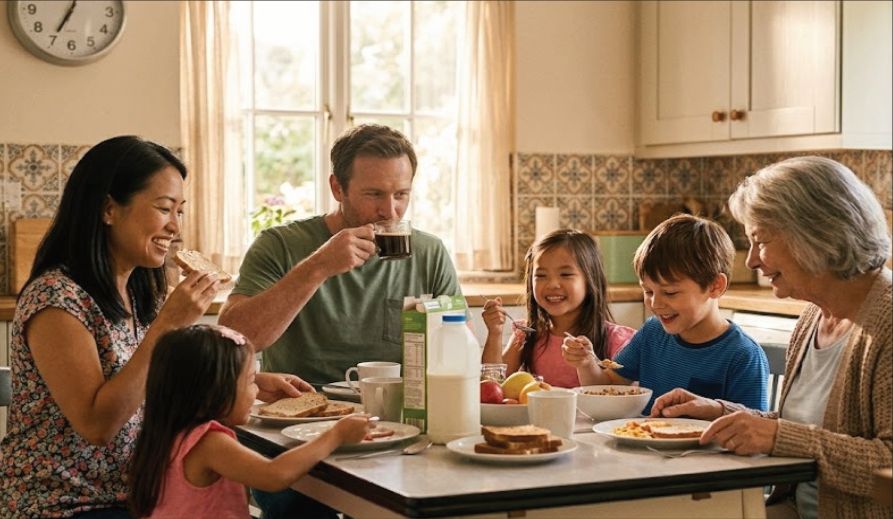
- We eat breakfast together in the kitchen. 저희는 부엌에서 함께 아침을 먹어요.
- My father drinks coffee and my mother eats bread. 아버지는 커피를 마시고 어머니는 빵을 먹어요.
- I go to school at eight o'clock. 저는 여덟 시에 학교에 가요.
- My sister goes to school too. 제 언니도 학교에 가요.
- In the evening, we eat dinner at home. 저녁에 저희는 집에서 저녁을 먹어요.
- We talk and laugh together. 저희는 함께 이야기하고 웃어요.
- My brother washes the dishes and I help my mother. 제 오빠는 설거지를 하고 저는 어머니를 도와요.
- At nine o'clock, we go to bed. 아홉 시에 저희는 잠을 자요.
- We are a busy and happy family. 저희는 바쁘고 행복한 가족이에요.
| breakfast | 아침 식사 |
|---|---|
| every day | 매일 |
| busy | 바쁜 |
| kitchen | 주방 |
| dishes | 그릇 |
| laugh | 웃다 |
| evening | 저녁 |
| together | 함께 |
Social Studies
Family Celebrations
한국어 번역 보기
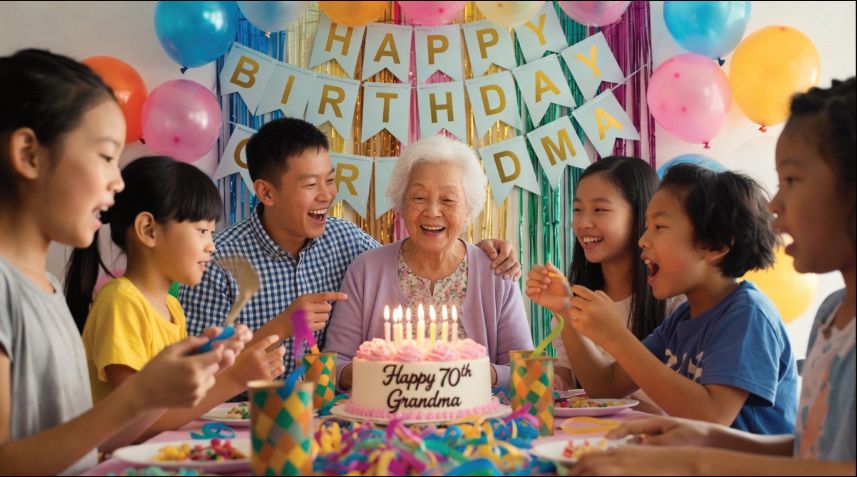
- Last Sunday was my grandmother’s birthday. 지난 일요일은 할머니의 생신이었어요.
- My whole family went to her house for a party. 저희 온 가족이 할머니 댁에 파티하러 갔어요.
- It was a very sunny day. 날씨가 정말 맑고 화창했어요.
- My mother made a big chocolate cake. 엄마가 큰 초콜릿 케이크를 만들었어요.
- It was delicious! 정말 맛있었어요!
- My father grilled meat in the garden. 아빠가 정원에서 고기를 구웠어요.
- We played games and listened to music. 저희는 게임도 하고 음악도 들었어요.
- My cousins were there too. 사촌들도 왔어요.
- We gave my grandmother a beautiful present. 할머니께 예쁜 선물을 드렸어요.
- She was very happy and she smiled a lot. 할머니는 정말 행복해하셨고 자주 웃으셨어요.
- We ate dinner and sang "Happy Birthday" together. 저희는 저녁을 먹고 함께 '생일 축하합니다'를 불렀어요.
- It was a great party. 정말 멋진 파티였어요.
- I love family celebrations because we are all together. 온 가족이 함께할 수 있어서 가족의 특별한 날을 축하하는 게 좋아요.
- We had a wonderful time! 정말 즐거운 시간을 보냈어요!
| because | ~때문에 |
|---|---|
| present | 선물 |
| celebration | 축하 행사 |
| smile | 미소 짓다 |
| delicious | 맛있는 |
| sunny | 화창한 |
| grilled | 구운 |
| wonderful | 아주 멋진 |
Social Studies
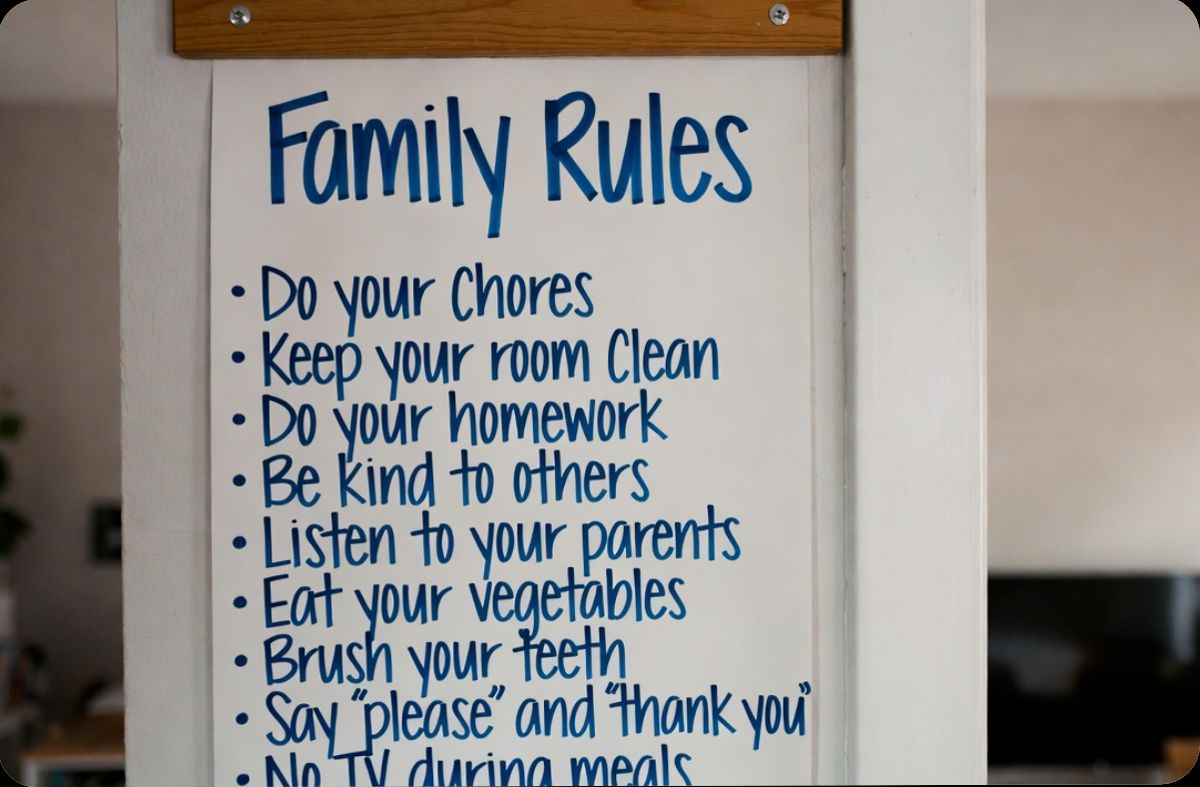
Family Rules
한국어 번역 보기
- In every family, there are rules to follow. 모든 가족에는 따라야 할 규칙이 있어요.
- These rules help everyone live together happily. 이런 규칙들은 모두가 함께 행복하게 살도록 도와줘요.
- At my house, we have a chore chart on the fridge. 우리 집 냉장고에는 집안일 분담표가 붙어 있어요.
- I must clean my bedroom every Saturday morning. 저는 매주 토요일 아침에 제 방을 청소해야 해요.
- Also, I have to help my parents after dinner. 또한 저는 저녁 식사 후에 부모님을 도와야 해요.
- Usually, I wash the dishes or take out the trash. 보통 저는 설거지를 하거나 쓰레기를 내다 버려요.
- My sister is younger, so she only has to put her toys away. 제 여동생은 어려서 장난감만 정리하면 돼요.
- We should always be kind to each other and speak quietly. 우리는 항상 서로 친절하게 대하고 조용히 말해야 해요.
- On weekdays, I can’t play video games until I finish my homework. 평일에는 숙제를 끝낼 때까지 비디오 게임을 할 수 없어요.
- My parents say that responsibilities are important. 부모님은 각자 맡은 일을 하는 것이 중요하다고 말씀하세요.
- When we all do our part, our home is a clean and peaceful place to be. 우리가 모두 우리의 역할을 할 때, 우리 집은 깨끗하고 평화로운 곳이 돼요.
| chart | 도표 |
|---|---|
| peaceful | 평화로운 |
| chore | 집안일 |
| responsibilities | 책임 |
| follow | 따르다 |
| trash | 쓰레기 |
| fridge | 냉장고 |
| younger | 더 어린 |
Social Studies
Modern Families
한국어 번역 보기
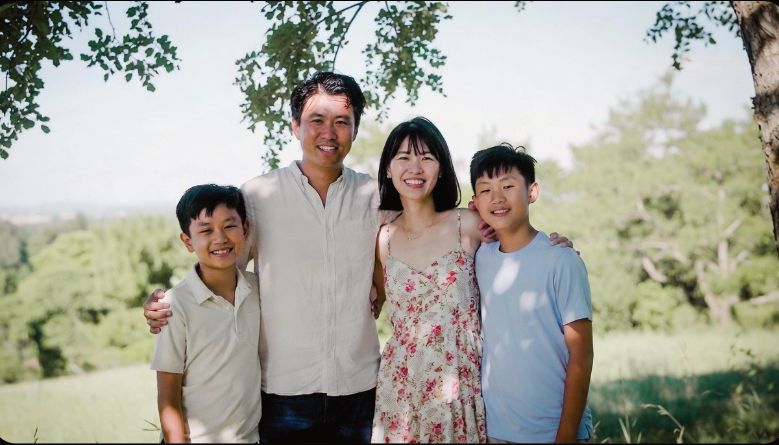
- Families today look very different than they did in the past. 요즘 가족의 모습은 예전과 많이 달라요.
- Long ago, most children lived in large houses with their parents, grandparents, and even cousins. 옛날에는 대부분의 아이들이 부모님, 할아버지할머니, 사촌들과 함께 큰 집에서 살았어요.
- This is called an extended family. 이것을 대가족이라고 불러요.
- However, modern families come in many shapes and sizes. 하지만 요즘 가족은 구성도 다양하고 식구 수도 제각각이에요.
- Some children live in nuclear families with just their parents, while others live in single-parent households. 어떤 아이들은 부모님하고만 핵가족을 이루며 살고, 다른 아이들은 한부모 가정에서 살아요.
- These days, it is also common for families to relocate frequently for work or education, which can make physical distance a challenge. 요즘에는 일이나 공부 때문에 자주 이사를 가는 가족들도 많아서, 물리적으로 멀리 떨어져 있는 게 어려움이 될 수 있어요.
- Technology has also changed how we stay connected. 기술이 우리가 서로 연락을 주고받는 방식도 바꿔놨어요.
- Many families use video calls to talk to relatives who live far away. 많은 가족들이 멀리 사는 친척들과 화상 통화로 얘기해요.
- Even if we are in different countries, we can still share our lives online through social media or messaging apps, celebrating milestones like birthdays and graduations instantly. 다른 나라에 있어도 우리는 소셜 미디어나 메시지 앱으로 온라인에서 우리의 삶을 나누고, 생일이나 졸업 같은 중요한 순간들을 바로 축하해 줄 수 있어요.
- While the structure of the family changes, the most important thing remains the same: support and love. 가족의 구조가 변해도 가장 중요한 것은 변하지 않아요: 돌봄과 사랑이에요.
- A family is not just about who you live with, but about the people who care for you the most. 가족을 생각할 때는 누구와 함께 사는지뿐 아니라 누가 나를 가장 아끼고 보살펴 주는지도 중요해요.
- This emotional bond is what truly defines a family, regardless of its size or location. 이런 정서적 유대가 가족의 규모나 사는 곳과 상관없이 가족을 정말로 정의해주는 거예요.
| connected | 연결된 |
|---|---|
| nuclear family | 핵가족 |
| countries | 나라들 |
| relative | 친척 |
| different | 다른 |
| structure | 구조 |
| extended family | 대가족 |
| support | 지지 / 지원 |
Social Studies
The Role of Family in Society
한국어 번역 보기
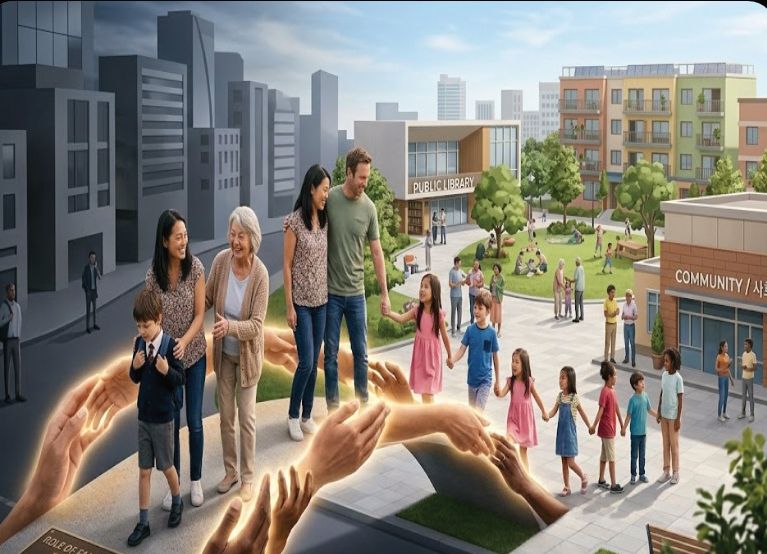
- The family unit is often regarded as the fundamental building block of society, serving as the primary institution for socialization, cultural transmission, and economic stability. 가족은 흔히 사회의 기본 단위로 여겨져요. 사회생활을 배우고 문화를 이어받으며 경제적 안정을 얻는 데 중심적인 역할을 해요.
- Beyond providing emotional support, families play a critical role in shaping a child’s educational outcomes and future civic contributions, effectively instilling values that will govern a lifetime. 가족은 정서적인 지지를 제공할 뿐 아니라, 아이의 교육적 성취와 훗날 시민으로서 사회에 기여하는 방식에도 중요한 영향을 미쳐요. 또한 평생 행동의 기준이 될 가치관을 심어줘요.
- However, in the 21st century, the traditional concept of family is undergoing a significant paradigm shift. 하지만 21세기에는 전통적인 가족의 개념이 크게 변하고 있어요.
- Sociologists now examine how diverse structures, ranging from multi-generational households to "chosen families", impact social cohesion and our collective sense of identity. 사회학자들은 여러 세대가 함께 사는 가정부터 혈연이나 혼인과 관계없이 스스로 가족으로 여기는 사람들로 이루어진 '선택 가족'까지, 다양한 가족 형태가 사회적 결속과 공동체의 정체성에 어떤 영향을 미치는지 살펴보고 있어요.
- In rapidly aging societies, the family's role in elder care also presents complex economic challenges. 빠르게 고령화되는 사회에서는 가족이 노인을 돌보는 역할과 관련해 복잡한 경제적 과제도 생겨요.
- Ultimately, while the definition of family continues to evolve, its function as a safety net remains indispensable. 결국 가족의 정의는 계속 변하더라도, 어려울 때 보호하고 도와주는 안전망으로서의 역할은 여전히 없어서는 안 돼요.
- The family remains the cornerstone of a stable society, bridging the gap between the isolated individual and the broader community. 가족은 여전히 안정적인 사회의 핵심이에요. 혼자 있는 개인과 더 넓은 공동체 사이의 다리 역할을 하거든요.
| cohesion | 결속 |
|---|---|
| indispensable | 없어서는 안 될 |
| cornerstone | 초석 / 기틀 |
| institution | 기관 / 제도 |
| economic | 경제적인 |
| paradigm shift | 패러다임의 전환 |
| fundamental | 근본적인 |
| resilience | 회복력 |